
Bruin Biometrics has initiated a programme aimed at assisting providers in securing reimbursement for pressure injuries classified as present on [hospital] admission (POA).
Guidelines issued by the Centers for Medicare and Medicaid Services (CMS, a federal agency within the US Department of Health and Human Services) stipulate that if a pressure injury is not documented as POA, it is presumed to have developed during the hospital stay. This categorises it as a hospital-acquired condition, which is non-reimbursable and may incur penalties.
Consequently, hospitals face significant financial and reputational risks, especially when visual assessments fail to identify early-stage and deep tissue pressure injuries.
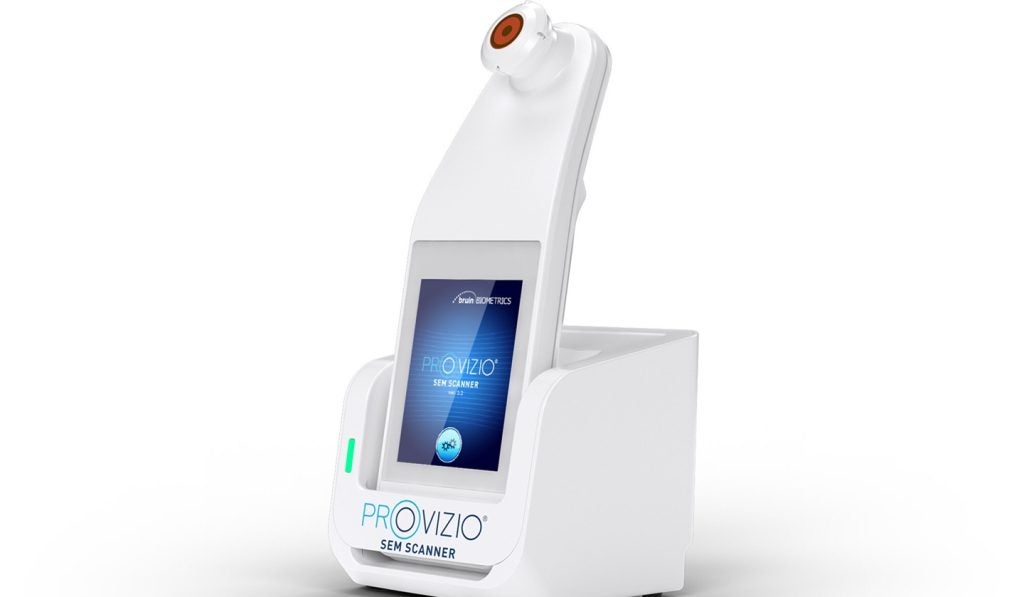
In 2024, CMS allocated a specific ICD-10-PCS procedure code, XX2KXP9, to the company’s Provizio SEM scanner.
The code acknowledges the scanner's role in monitoring and measuring sub-epidermal moisture (SEM) for the assessment of pressure injuries, confirming whether an injury was present at the time of admission.
When used alongside the SEM POA test, the code serves as a tool for healthcare providers seeking reimbursement for the appropriate care they deliver in the management and prevention of pressure injuries identified upon admission.
CMS recognition provides advantages across operational, clinical and financial areas. It bolsters value-based care initiatives while safeguarding hospital operating margins by minimising the financial risks linked to misclassified or undetected injuries.
It also improves documentation and enhances risk management practices for POA, ultimately leading to better patient outcomes.
The Provizio SEM scanner facilitates the early and objective detection of pressure injuries, lowering rates of hospital-acquired pressure injuries. This aligns with CMS quality compliance and reporting standards.
Bruin Biometrics CEO Martin Burns stated: “If hospitals are not scanning, they are not being paid for pressure injury prevention and management care they are diligently providing. Even moderate-sized systems are foregoing millions of dollars of reimbursement every year.”