
RS Pondok Indah Group has become the first hospital group in Indonesia to achieve the HIMSS Electronic Medical Record Adoption Model (EMRAM) Stage 7, a global standard for digital maturity and data management in hospitals.
This recognition was granted to all three hospitals under the group, namely RS Pondok Indah Bintaro Jaya, RS Pondok Indah Pondok Indah, and RS Pondok Indah Puri Indah.
The Stage 7 designation highlights the group's commitment to creating a completely digital and paperless environment, with a focus on quality of care, patient safety, and data security.
The hospital has invested in secure systems to protect medical records, uphold confidentiality, and guarantee access to information, even during disruptions.
RS Pondok Indah Group CEO Yanwar Hadiyanto said: "This achievement represents our commitment to delivering the highest quality of care through comprehensive and continuous digitalisation.
“By strengthening hospital information systems, integrating digital medical devices, and building secure infrastructure, we aim to optimise patient safety and service quality whilst empowering our medical teams with the updated knowledge and tools they need to make the best decisions.”
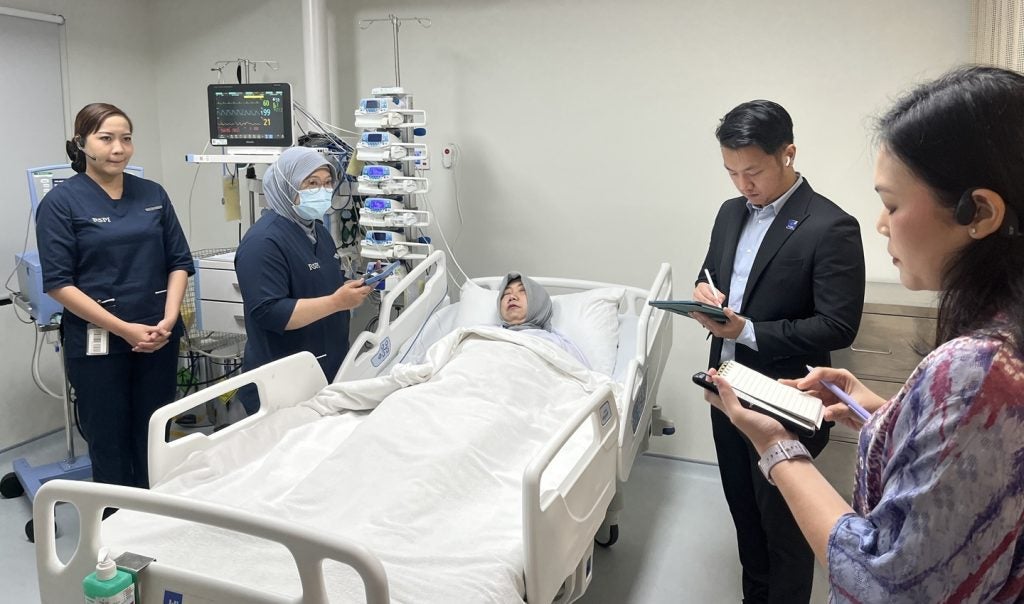
The group has automated the recording of vital signs and established seamless connectivity between the hospital information system and medical devices.
This integration allows for the automatic capture of data into electronic medical records (EMRs), without the need for manual input, thereby reducing the likelihood of human error and enhancing overall accuracy. As a result, medical data is now structured and standardised, ensuring reliability and consistency.
Patient engagement has emerged as a central aspect of the group's digital transformation efforts.
The introduction of the smart medical broadcaster in hospital rooms enables patients to conveniently access their radiology reports, laboratory results, and treatment history.
This portal is also accessible through the RSPI Mobile app and the hospital's website, thereby enhancing accessibility for patients beyond the confines of the hospital.
For dialysis patients, the group has introduced patient-reported outcome measures, which assist doctors in comprehending patients' quality of life and prescribing care with greater precision.
Outpatient visits have been streamlined through a fully integrated digital journey, employing a single QR code for check-in, consultations, and prescription collection.