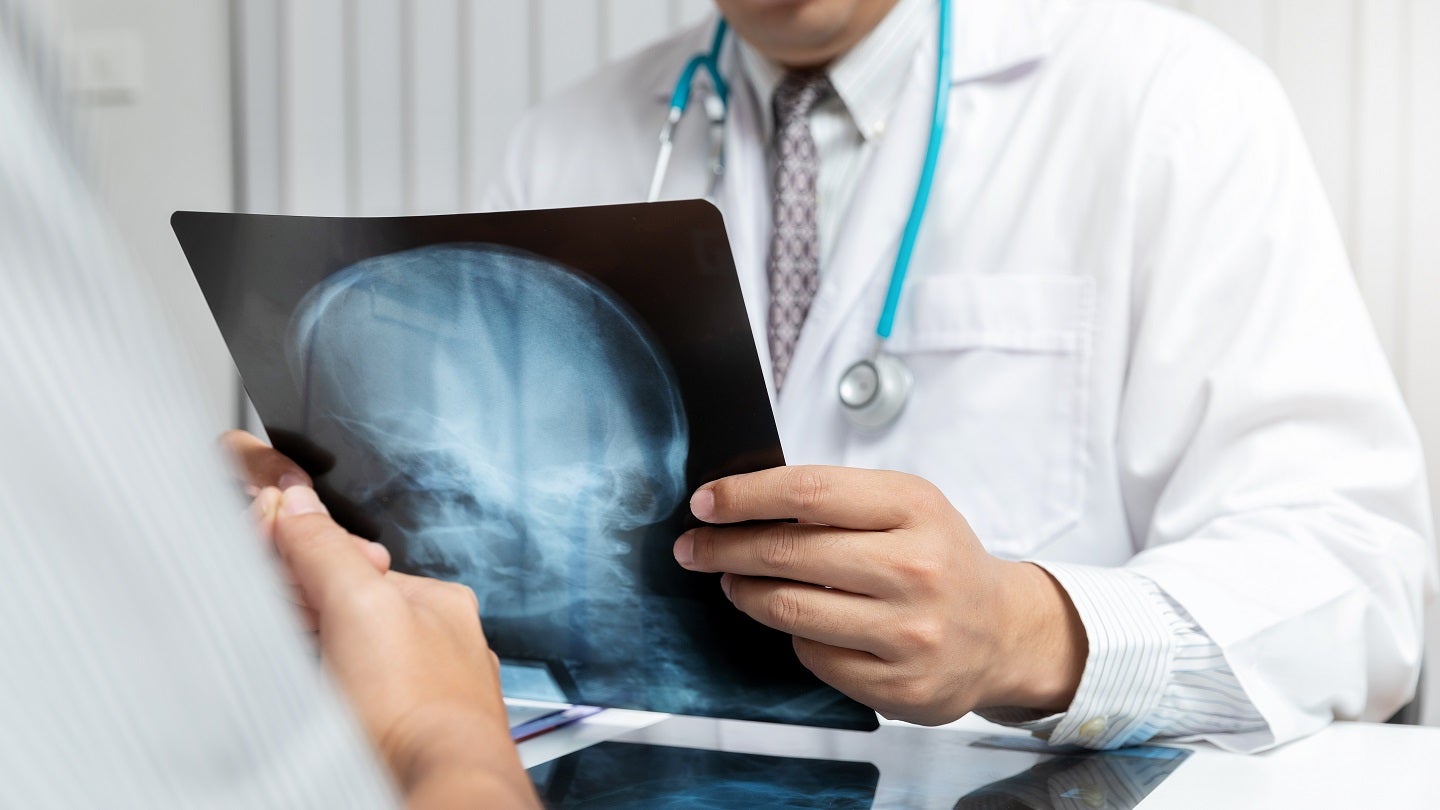
US-based not-for-profit regional healthcare delivery network Hoag has received a $50m gift from philanthropist Richard Pickup to build the Richard H Pickup Center for Brain Health.
The new centre aims to address the rising demand for healthcare due to age-related health issues.
Go deeper with GlobalData

Discover B2B Marketing That Performs
Combine business intelligence and editorial excellence to reach engaged professionals across 36 leading media platforms.
It will offer comprehensive treatment, including screenings, early detection, treatment, and advanced technology.
The facility will take a whole-family approach to cognitive impairment and mental health disorders, focusing on their impact on physical health, quality of life, and healthcare costs.
Plans are in progress for a dedicated space on the Hoag Newport Beach campus.
The donation will support national experts, create chairs for physicians, and advance research and treatments.
This gift builds on a longstanding relationship between Pickup and Hoag, with the former donating $15m in 2017 to the Pickup Family Neurosciences Institute.
Hoag offers various treatment options, including a Phase I Alzheimer’s vaccine clinical trial, and the latest diagnostic technology at its Pickup Family Neurosciences Institute.
Pickup Family Neurosciences Institute Memory & Cognitive Disorders Program director Aaron Ritter said: “Most dementia centres are focused almost entirely on clinical research and clinical trials. While research is of crucial importance – and something that we will continue to promote at Hoag – it is only part of the picture.
“Until we find a cure for dementia, we need to emphasise supporting patients and their families to adapt to the day-to-day impact of dementia.
“Focusing on recognising the treatable conditions that can cause cognitive impairment, we can slow if not reverse a person’s decline.
“This improves the quality of life for patients and their caregivers.”


