

Porous polyethylene implant manufacturer Poriferous has received a patent from the US Patent and Trademark Office (USPTO) for its DuraBloc technology.
The technology is part of the company’s portfolio of developments in the field of craniomaxillofacial implants.
It offers a dual-sided design and features a nonporous, smooth underside combined with a porous polyethylene structure on the remaining sides of the implant.
Poriferous noted that this design allows for fibrovascular ingrowth while reducing tissue adhesion, with the aim of supporting easier removal.
DuraBloc technology is available through Poriferous’ Patient-Specific Implants programme. The implants can be made with a 50% lower flange profile, which is intended to provide a more natural cosmetic fit without compromising fixation strength.
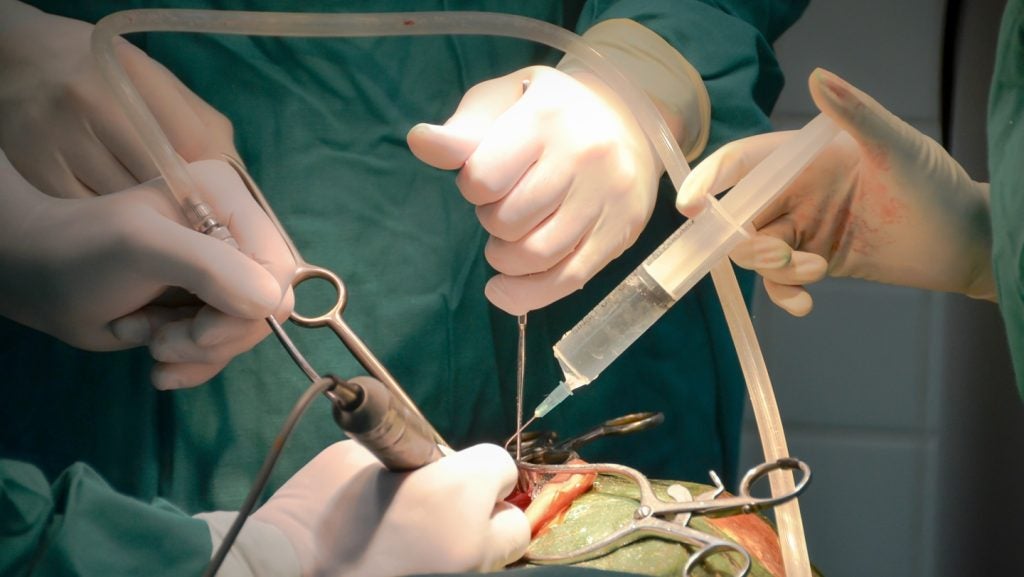
Antibiotics may be infused in the porous polyethylene material during procedures, and the company asserts that fibrovascular growth is intended to support the patient’s immune response.
Poriferous CEO and founder Aaron Noble said: “We partner with surgeons to create and enhance our extensive catalogue of implants.
"Our newly patented DuraBloc technology addresses an ongoing need for implants that can be removed with greater ease. DuraBloc promotes tissue ingrowth for natural results without impeding the removal process.”
Poriferous manufactures its SuᐧPor range of implants using biocompatible, porous polyethylene that forms an interconnecting, omnidirectional pore structure.
This structure is designed to encourage fibrovascular tissue ingrowth and integration with the patient’s tissue.
The company states that these implants can be modified during surgery by carving, trimming, or feathering in the sterile field. They can also be drilled and fixed using screws and plates without risk of cracking.
The material’s Advanced Retained Shape Memory property enables implants to retain their form after contouring and shaping.